
"Ethiopian Sidamo G2"
300 article(s) found

Ethiopian coffee flavor description processing characteristics of varieties of production area taste processing introduction
In the southwestern highlands of Ethiopia, the Kaffa, Sheka, Gera, Limu and Yayu Senli coffee ecosystems are considered home to Arabica coffee. These forest ecosystems are also home to a variety of medicinal plants, wildlife, and endangered species, large coffee farming villages.
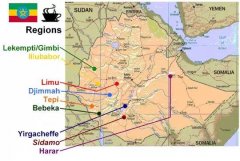
-unusual Ethiopian coffee.-what is Lim?
Professional coffee knowledge exchange more coffee bean information please follow the coffee workshop (Wechat official account cafe_style) Ethiopia Ethiopia G2 washed Ethiopia Washed Limu G2 country: Ethiopia (Ethiopia) production area: Limu (native species) producer: Heirloom (native species) producer: Limu production area local coffee is small

Introduction to the taste grinding degree of Ethiopian coffee flavor description method
At present, about 25% of the Ethiopian population directly or indirectly depends on coffee production for a living. The majority of farmers use traditional planting methods. Artificial care of coffee trees, the use of organic fertilizers, do not use harmful pesticides and herbicides, etc. Therefore, most of the coffee produced by Ethiopia is organic coffee. Due to different planting methods, coffee can be divided into forest-semi-forest coffee (Forest or semi-f).

Description of the flavor of bright and crisp Sidamo G3 flavor coffee beans introduction to the characteristics of manor treatment
Ethiopia Sidamo G3 Coffee Bean Flavor description Variety characteristics of Ethiopia Sidamo G2 (Sidamo G2): the Sidamo producing area is located in the south of Ethiopia, extending to the administrative districts of Arsi and Bale in the east and Gamogofa in the west. Sidamo coffee is cultivated between altitude 1400m-2000m. The industry here is mainly agriculture, coffee.

Introduction to the method of describing the Flavor of Coffee Bean varieties in Ethiopia
Ethiopian Coffee introduces Sidamo's classification standard is according to the defect rate, the less the number of defective beans in the same weight standard, the better the quality, the higher the grade! Generally divided into two and three levels (G2, G3), water-washed Sidamo because the treatment process is more perfect than the sun, so most of the G2 level exports are more. On the other hand, most of the sun-processed coffee is grade three or four or five.

Flavor characteristics of Ethiopian Fine Coffee Ethiopian Coffee
Ethiopia is the hometown of Arabica coffee, and it is in the forests of Kaffa that you can see wild Arabica coffee. In Ethiopian, coffee is called Bun or Buna, and coffee beans (coffeebean) may be translated from Kaffa Bun. Arabica coffee was discovered early in the Harald area, probably from Kafa.

Soft acidity Ethiopian coffee flavor Taste Manor Features
Ethiopia's coffee producing areas are Sidamo, Harrar and Yirgacheffe. Sidamo and Harrar are provinces and divisions. Sidamo is located in the south of Ethiopia and adjacent to Kenya. Harrar borders Somalia in the east of Ethiopia. Although Yirgacheffe is a small area in Sidamo region, due to soil composition and water content, etc.

Introduction to the characteristics of flavor description and taste treatment of coffee bean varieties and varieties in Ethiopia
Flavor description of Ethiopian Coffee Bean varieties: Ethiopian Ethiopia Sidamo G2 (Sidamo G2): Sidamo is located in the south of Ethiopia, extending to the administrative regions of Arsi and Bale in the east and Gamogofa in the west. Sidamo coffee is cultivated at altitude 1400m-2000m. The industry here is agriculture.
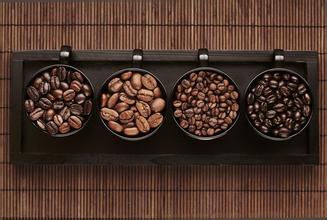
Sidamo coffee beans wash Sidamo boutique coffee beans Ethiopian plateau and other places
Ethiopia is the hometown of Arabica coffee, and it is in the forests of Kaffa that you can see wild Arabica coffee. In Ethiopian, coffee is called Bun or Buna, and coffee beans (coffeebean) may be translated from Kaffa Bun. Arabica coffee was discovered early in the Harar area and is likely to come.
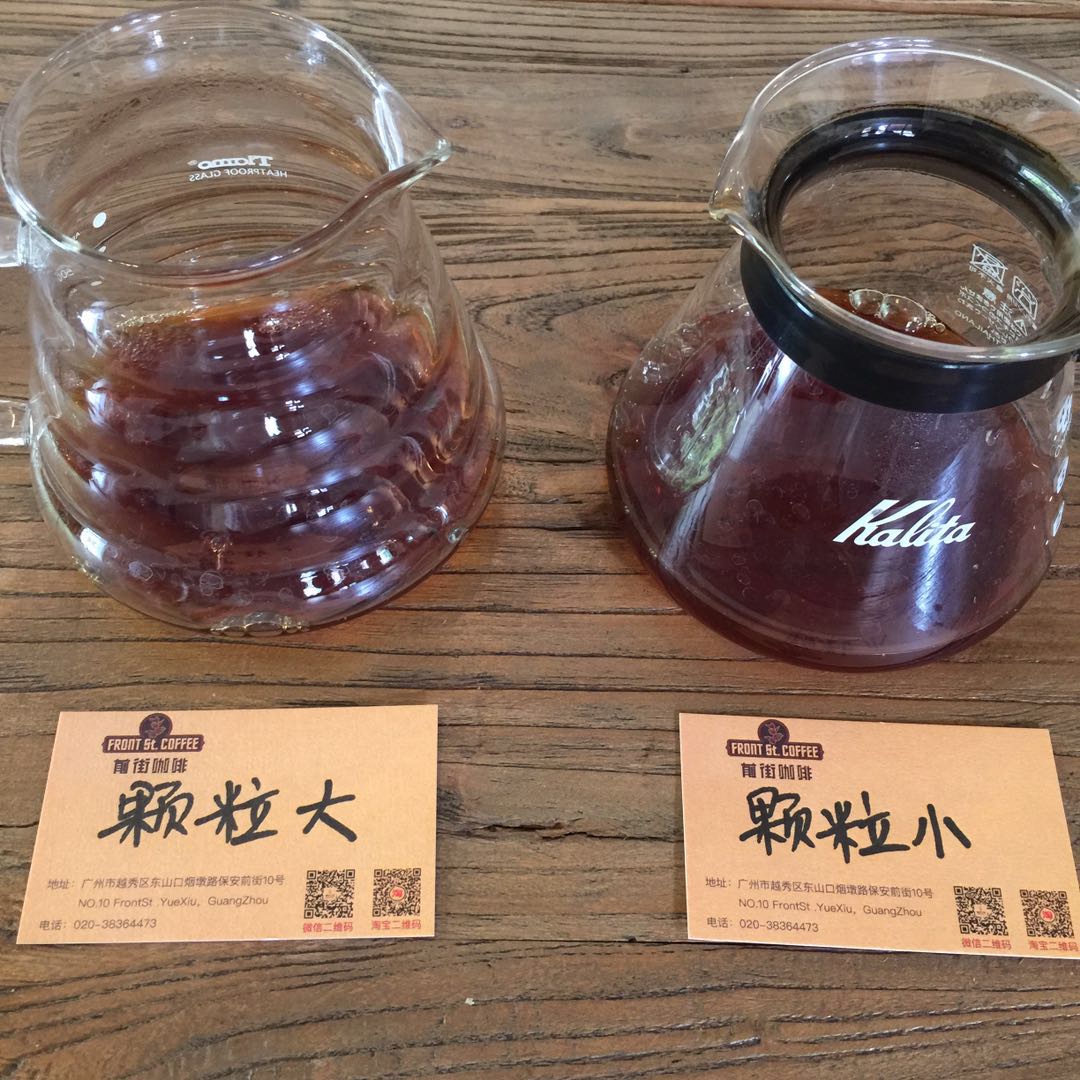
Why are Ethiopian coffee beans always big and small? Is there any difference in flavor?
For professional baristas, please follow question 1 of the coffee workshop (official Wechat account cafe_style): why are Ethiopian coffee beans always big and small? If you are very fond of African beans, it should be easy to find that Ethiopian beans are generally of different sizes and have significantly lower evenness than those in Kenya. Whether it's Yega Sheffield or Sidamo,

Unique Citrus Cedar Coffee Flavor description of Coffee Flavor characteristics of Grinding degree in Citrus production area
Sidamo G2, Ethiopia (Ethiopia Sidamo G2): the Sidamo producing area is located in the south of Ethiopia, extending to the districts of Arsi and Bale in the east and Gamogofa in the west. Sidamo coffee is cultivated between elevation 1400m-2000m. The industry here is mainly agricultural, and the main growing area of coffee is located in the Great Rift Valley week of East Africa.

Sidamo Coffee Flavor What Taste Sunbaked Flavor Description g2
Sitama Coffee Flavor What Taste Sun-Roasted Flavor Description g2 Washable coffee flavor is less likely to have wild flavor, with pure, refreshing characteristics, suitable for City to Full City roast degree; some excellent Ethiopian washable coffee beans, sometimes can be detected obvious lemon, citrus essential oils, jasmine flowers, honey flavor, etc.,

The grade of Ethiopian coffee in Ethiopian coffee producing areas
The grade of Ethiopian coffee: Ethiopian water washed coffee Yega Xuefei, the highest grade of Yirgacheffe and Sidamo may be level 2 or 3 (G2 or G3), and most sun-processed coffee in eastern Ethiopia is grade 4 or 5 (G4, G5). In many cases, level 4 coffee is marked as level 5 in order to reduce taxes. The current classification is not very uniform.

Ethiopian Coffee Flavor Description Grind Characteristics Variety Producing Area Taste Boutique Coffee Introduction
Ethiopian coffee grade: Ethiopian washed coffee Yirgacheffe G1 G2 Sidamo (Yirgacheffe, Sidamo) the highest grade is second and third grade (G2, G3), the eastern part of Ethiopia sun processing coffee is mostly fourth or fifth grade (G4, G5). In many cases, fourth-grade coffee is labeled as five-grade in order to reduce taxes. The current classification is not very uniform, there are

Ethiopian coffee beans characteristics, Ethiopian coffee grades
Pay attention to coffee reviews (Weixin Official Accounts vdailycom ) and find a beautiful cafe to open its own shop Ethiopian coffee beans are divided into five levels. The first and second stages are water-washed beans. Grade1 means 0~3 defective beans per 300 g of raw beans;Grade2 means 4~12 defective beans per 300 g. Gradc Grade 1 washed beans are extremely rare and generally difficult to buy.

Ethiopian Coffee introduction Coffee beans Coffee processing Coffee Flavor Ethiopian Coffee details
Ethiopia is the hometown of Arabica coffee, and it is in the forests of Kaffa that you can see wild Arabica coffee. In Ethiopian, coffee is called Bun or Buna, and coffee beans (coffeebean) may be translated from Kaffa Bun. Arabica coffee was discovered early in the Harald area, probably from Kafa.

Ethiopian boutique coffee introduces boutique coffee beans characteristics of Ethiopian boutique coffee
Ethiopia is the hometown of Arabica coffee, and it is in the forests of Kaffa that you can see wild Arabica coffee. In Ethiopian, coffee is called Bun or Buna, and coffee beans (coffeebean) may be translated from Kaffa Bun. Arabica coffee was discovered early in the Harald area, probably from Kafa.

Ethiopian coffee introduction Ethiopian coffee beans exquisite coffee beans and introduction
Ethiopia is the hometown of Arabica coffee, and it is in the forests of Kaffa that you can see wild Arabica coffee. In Ethiopian, coffee is called Bun or Buna, and coffee beans (coffee bean) may be translated from Kaffa Bun. Arabica coffee was discovered early in the Harald area.

What is Ethiopian coffee? What is the treatment of Ethiopian coffee?
Ethiopia is a professional coffee knowledge exchange more information about coffee beans Please follow the coffee workshop (Wechat official account cafe_style) Arabica Coffee is the hometown of Arabica Coffee, it is in the forests of the Kaffa region, you can see wild Arabica coffee. In Ethiopian, coffee is called Bun or Buna, and coffee beans (coffeebean) may come from

Boutique Coffee introduces Ethiopian Coffee Yega Sheffield Coffee Sidamo Coffee Harald Coffee
Ethiopia is the hometown of Arabica coffee, and it is in the forests of Kaffa that you can see wild Arabica coffee. In Ethiopian, coffee is called Bun or Buna, and coffee beans (coffeebean) may be translated from Kaffa Bun. Arabica coffee was discovered early in the Harald area, probably from Kafa.